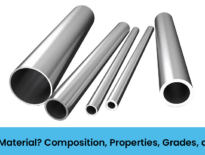
When it comes to industrial manufacturing and construction, which type of metal is used can spell out success or failure in any project as far as the project life and safety is concerned. Although carbon steel has numerous uses, there are extreme environments that require a steel that is more resilient; that is, under high pressure, heat, or corrosive chemicals. This is the point where alloy steel material is very much needed.
Manufacturers make this material by mixing iron and carbon with certain alloying elements and overcoming the restriction of the conventional steel.
What is Alloy Steel?
Alloy steel is essentially steel with extra elements added so as to improve its physical characteristics. Although all steel is a combination of carbon and iron, they are alloyed with such elements as chromium, nickel, manganese, vanadium, and molybdenum.
The additions usually occupy between 1 percent and half of the weight depending on the performance required. These materials in industrial applications can be divided into two broad categories:
- Low-Alloy Steel: It has few percentages of alloying elements (less than 8 percent typically). They are mostly preferred due to high strength and excellent weldability in structures.
- High-Alloy Steel: It has an alloying content of more than 8%. Stainless steel is the most widespread with the corrosion resistance its signature being at least 10.5 percent chromium.
The Role of Key Alloying Elements
Every component that is added to the base metal has its own purpose, and therefore it enables industries to adjust alloy steel material to the needs:
- Chromium: Enhances hardness and gives the first line of defense against the damage of oxidation and corrosion.
- Nickel: Enhances hardness and works as a corrosion-resistant metal in acidic conditions.
- Molybdenum: Strength at high temperatures is improved, and this is essential to power plant piping and refinery equipment.
- Manganese: Manganese enhances the structural integrity and enables the steel to resist hammering and impact with much weight without breaking.
- Vanadium: Enhances the grain structure of the metal, which gives the balance between strength and ductility.
Critical Components: Alloy Steel Flanges and Fittings
The joints of any piping system are the weakest. The material used may fall short of the mechanical stress and thermal expansion encountered in industrial processing using normal materials.
Pipes, valves, and pumps are connected to Alloy Steel Flanges which are a secure, leak-free seal. Due to the fact that alloy steel does not lose its mechanical characteristics at high temperatures, alloy steel flanges are used as a standard when it comes to high-pressure steam lines and chemical processing plants.
On the same note, alloy steel fittings such as elbows, tees, and reducers can be routed with complex fluids and gases. These parts render the required resistance to face the erosive flow and the changing dynamic pressures to avoid regular maintenance or changing the component.
Industrial Applications of Alloy Steel
The alloy steel is versatile and can be used in an extensive number of industries:
- Oil and Gas: It is used in sour service type of environments where hydrogen sulfide would crack normal steel.
- Power Generation: to cope with excessive heat, high-temperature alloy grades (including P91 or T22) are employed in boiler tubes and steam headers.
- Automotive and Aerospace: Applied in gears, axles and structural parts which need a strong to weight ratio.
- Construction: Bridge components of large scale and heavy-duty machinery also depend on fatigue resistance of low-alloy steels.
Alloy Steel Material Manufacturing and Processing
Manufacture of high-grade alloy steel material begins in the confined atmosphere of an electric arc or basic oxygen furnace. Technicians obtain a specific chemical mix using the proper balance of iron ore and carbon as well as the use of certain alloying agents, important in high-stress conditions. After the mixture has melted, it goes through a purification process that is quite stringent to get rid of slag and unwanted minerals such as phosphorus or sulfur.
Purified liquid is then poured into cast forms like billets, slabs or ingots. These crude types are then subjected to the processes of hot-rolling or forging, and the internal grain structure is brought to the proper level through mechanical action and the specific size is determined. This is the main processing stage, which produces the inventory of the heavy-duty components, such as Alloy Steel Flanges and high-pressure alloy steel fittings. This raw alloy steel is then converted into the finished components of refineries, power plants and chemical processing plants through such types of secondary operations as precision machining, industrial welding and custom forming.
Heat Treatment of Alloy Steel Material
In order to make alloy steel material maximize the mechanical qualities, different heat cycles are implemented. These processes are designed to alter the internal microstructure of the metal to meet the requirements of a certain industry:
- Annealing: This is done by heating metals and cooling them gradually to eliminate internal stresses in the metals to achieve greater ductility and easy machining.
- Normalizing: This is done by heating the steel over its critical range then cooling it in still air to form a consistent grain size giving uniform strength throughout the metal.
- Quenching: This is a rapid cooling process, which is normally conducted in oil or water to entrap the structure of carbon, in order to attain maximum hardness.
- Tempering: This is a process undertaken following the quenching process to make internal brittleness less and to make the metal hard enough and tough enough to avoid fractures.
- Carburizing: This process incorporates carbon into the outer layer of the alloy steel forming a hard and wear-resistant surface with a shock-absorbent core.
- Nitriding: A liquid quench-free process which puts nitrogen down into the surface to make the surface more fatigue resistant and hard.
Why Material Selection Matters
The choice of an alloy steel material is not just a matter of technicality, but a critical conclusion to high pressure industrial systems as far as their safety and efficiency are concerned. Be it the handling of thermal expansion in a power plant, or the prevention of chemical erosion in a refinery, alloy steel has a certain degree of reliability that cannot be equaled by conventional carbon steel. Knowing the contributions of each element to alloying, engineers are able to optimize their infrastructure with regard to both performance and life, which is how they would reduce the possibilities of unpredictable failure.
Your Trusted Alloy Steel Material Supplier
At Solitaire Overseas, we understand that industrial projects need to be accurate in their components which need to be in line with the international standards. We have a broad range of alloy steel products that are offered in our huge inventory and are capable of withstanding the most demanding of conditions.
Heavy-duty Alloy Steel Flanges that ensure airtight seals, high-pressure alloy steel fittings that allow complex routing, and other material types: all of these are the building blocks of the modern infrastructure. All our products such as the specialized T91 tubes to the P22 pipes are sourced and tested to suit the high standards of our international customers. When you need the technical expertise, supply chain reliability that high-strength, corrosion-resistant alloy steel material in your project, then our group is prepared to deliver.
Quick Reference: Alloy Steel Product Grades
Use the table below to explore specific grades and products available for industrial applications.
| Alloy Steel Tubes | Alloy Steel Pipes |