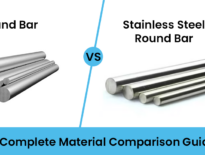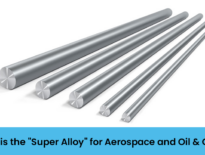
Inconel and stainless steel are both corrosion-resistant, high-strength alloys used across aerospace, chemical processing, marine, and power generation industries but they are not interchangeable. The core difference between Inconel and stainless steel comes down to their base alloy. Inconel is nickel-dominant, engineered to survive temperatures above 1,000°C and aggressive chemical environments; stainless steel is iron-based, chromium-protected, and optimised for cost-effective performance under standard industrial conditions. This guide breaks down the key differences between nickel alloys vs stainless steel across composition, heat resistance, strength, machinability, and application. In the comparison of Inconel and stainless steel on the basis of strength, Inconel is normally stronger in high temperatures with high stress usage conditions, whereas stainless steel is more affordable and applicable in daily usage.
What Is Inconel? Composition, Grades and Key Characteristics
Inconel is a high-performance nickel-chromium-based superalloy that is used in harsh industrial conditions, where materials have to endure high temperature, pressure and corrosion. It finds application in the aerospace, chemical processing, marine and power generation industries because it does not lose strength or stability during extreme temperatures. Unlike most traditional alloys, it can be reliably used in the most adverse environments, where oxidation, chemical interaction, and mechanical stress are frequent. Because of its special structure, it is applicable in critical parts that need long-term maintenance and high performance.
The Inconel material comes in different grades such as Inconel 600, Inconel 601, Inconel 625, and Inconel 718. These grades are largely used by many industries. It comes with high temperature, corrosion resistance, high oxidation, and tensile strength.Solitar Overseas supplies Inconel pipes and tubes across the full grade range from Inconel 600 Pipes for general heat resistance to Inconel 625 Pipes for aggressive corrosion environments and Inconel 718 Pipes for high-strength structural applications.
What Is Stainless Steel? How Its Composition Differs from Inconel
Stainless steel is an alloy made of iron and it contains at least 10.5% chromium which forms a thin corrosive protective film at its surface. Stainless steel is a very strong and long-lasting material in different conditions since this layer helps to avoid rust and corrosion. Due to its strength, hygiene, and corrosion resistance, the stainless steel finds applications in the construction, medical equipment, food processing, automotive and manufacturing industries. This material is widely used by different industries because of its adaptability and excellent service life.
The stainless steel is manufactured in different grades according to the user demands, the most common grades of this material are 304 stainless steel, 316 stainless steel, 410 stainless steel and 430 stainless steel. The main feature of this material is corrosion resistance, easy fabrication and comes at a lower cost compared to other materials. These properties have led to the widespread application of stainless steel in the structural elements, kitchen tools, pipelines and machinery of industries where strength and resistance to corrosion are important qualities. Other than that Nickel Alloy Pipes is also used in some places on the behalf of inconel pipes.
Inconel vs Stainless Steel: Side-by-Side Property Comparison
The table below compares Inconel alloy vs stainless steel across seven critical properties like base element, composition, mechanical performance, corrosion resistance, heat resistance, machinability, and cost.
| Property | Inconel | Stainless Steel |
| Base Element | Nickel (Ni) — 58%+ nickel base alloy | Iron (Fe) — iron-chromium alloy with 10.5%+ Cr |
| Chemical Composition | Ni (58%+), Cr (14-23%), Mo, Fe, Nb Example — Inconel 625: Ni-Cr-Mo-Nb alloy | Fe (>50%), Cr (10.5%+), Ni (0-35%), Mo Example — 316L: Fe-18Cr-10Ni-2Mo |
| Mechanical Properties | UTS: 900-1400 MPa High fatigue resistance; retains strength at extreme temperatures; work-hardens significantly | UTS: 485-1300 MPa Good ambient strength; degrades above 600C; more predictable hardening response |
| Corrosion Resistance | Exceptional — resists oxidation, strong acids, chlorides, seawater, and high-temp sulfur environments | Good — resists mild acids and moisture; weaker in chlorides and high-heat oxidizing environments |
| Heat Resistance | Up to 1200C (2200F) Retains structural integrity and mechanical strength at extreme service temperatures | Up to 870C (1600F) for 310SS; most grades lose significant strength above 600C |
| Strength | High strength-to-weight ratio; excellent at both cryogenic and high temperatures; strong creep resistance | Good strength at ambient conditions; easier to harden via standard heat treatment; more predictable behavior |
| Machining | Very difficult to machine; work-hardens rapidly; requires carbide tooling, slow speeds, high cutting forces — costly | Easier to machine; widely supported with standard tooling; faster production rates; lower machining cost |
| Weldability comparison | Stainless steel is readily weldable using standard TIG/MIG processes. | Inconel 625 and 718 are weldable but require matched filler consumables (ERNiCrMo-3 for 625) and controlled heat input to prevent heat-affected zone cracking. For pipe fabrication and site joining, this is a critical practical consideration. |
| Cost | Expensive | Affordable compared to Inconel |
Note: Inconel 625 Pipes: ASTM B444, ASME SB-444. Inconel 718: ASTM B637. Stainless Steel 316L Pipes: ASTM A312, EN 10217-7. Specifying to standard is mandatory for pressure-system procurement
Advantages of Inconel vs Stainless steel
Both inconel and stainless steel come with many features and advantages and some of the common advantages of using these materials is listed below.
Inconel
- High-Temperature Resistance: The Inconel material is made with high quality metal while maintaining structural integrity in continuous service up to 980°C making it the specified choice for jet engines, gas turbines, and chemical reactors.
- Corrosion Resistance: It is resistant to oxidation, pitting, and crevice corrosion even under extreme conditions of chemicals.
- Strength and Durability: Inconel remains in its structural conditions when it is exposed to extreme stress and pressure.
- Versatility: It can be used in a wide range of industries because of its high and low-temperature performance.
- Cryogenic Performance: Unlike many alloys that become brittle at low temperatures, Inconel maintains ductility and toughness at cryogenic temperatures (down to -196°C), making it suitable for LNG processing and aerospace fuel system components.
Stainless steel:
- Affordable : Stainless steel is cheaper than Inconel, and therefore, it is cost effective to most industries that wish to make massive applications or set up.
- Easy to Fabricate: It can easily be cut, welded or changed into another shape and this is useful in saving the total manufacturing time and cost.
- Attractive Appearance: Stainless steel has a smooth, cleanable surface finish ideal for food-grade, pharmaceutical, and architectural applications where hygiene and aesthetics matter.
- Corrosion Resistance: While Inconel outperforms stainless steel in extreme chemical and high-temperature environments, stainless steel provides reliable corrosion resistance for the majority of general industrial conditions.
When to choose Inconel vs stainless steel
- Choose Inconel when: When the service temperature exceeds 800°C; the environment involves strong acids, chlorides, or sulphur; or creep resistance under sustained load is required.
- Choose stainless steel when: When the temperatures stay below 600°C; corrosion resistance needs are standard (moisture, mild acids); and cost or fabrication speed is a priority.
Solitare Overseas stocks a full range of Nickel Alloy Pipes and Stainless Steel Pipes to ASTM and EN standards. Browse our catalog by grade below or contact our team for specification support.
Where Are Inconel and Stainless Steel Used? Industry-by-Industry Breakdown
The usage of these two materials depends on their features and adaptability according to user needs. In which industries these two materials are used is given below.
Inconel
- Aerospace Industry: Inconel has gained the preference of high heat and stress resistance, and therefore, is greatly dependent on and used in all jet engines, gas turbines and rocket engines.
- Chemical Processing: The ability of Inconel to resist oxidation also contributes to the fact that it is used in chemical plants and oil refineries.
- Marine Engineering: Inconel is a widely used material that is greatly dependent upon and used in the sea waters such as the propeller blades and the submarine components as it is resistant to the corrosion of salt water.
- Nuclear Reactors: In nuclear power plants, Inconel’s ability to withstand sustained radiation exposure, high-pressure steam, and elevated temperatures makes it the material of choice for reactor core components, steam generators, and heat exchanger tubing.
Stainless Steel
- Construction: The use of stainless steel in the construction of structures such as buildings and bridges and in the design of facades, is due to its strength and finish.
- Food and Beverage Industry: It is used to make applications in the manufacturing of kitchen equipment, storage tanks and processing machinery because it is unable to participate in chemical reactions.
- Medical Industry: Stainless steel is also commonly used to make biocompatible surgical instruments, implants and medical devices that are readily sterilized.
- Automotive Industry: It is also used in exhaust systems, grills and few structural parts as they are strong and not easily destroyed by rust.
Conclusion:
The choice between Inconel and stainless steel comes down to the operating environment. For temperatures above 800°C, sustained chemical exposure, or high-pressure corrosive service, Inconel is the correct specification and the cost premium is justified by its performance. For the majority of structural, food-grade, medical, and general industrial applications, stainless steel delivers reliable performance at significantly lower cost.
Explore our detailed guide on Nickel Alloy Pipe Fittings to learn more about Inconel piping systems and their industrial applications.
Frequently Asked Questions:
- What is the difference between Inconel and stainless steel?
The main difference between Inconel vs stainless steel is that Inconel is a nickel-based alloy designed for extreme heat and corrosion, while stainless steel is an iron-based alloy with chromium used for general corrosion-resistant applications. - Is Inconel better than stainless steel?
Inconel performs better in high-temperature and highly corrosive environments, but stainless steel is more affordable and easier to fabricate for many applications. - Which is stronger, Inconel or stainless steel?
Inconel is generally stronger than stainless steel, especially at high temperatures where it maintains its strength and stability.\ - Why is Inconel more expensive than stainless steel?
Inconel is more expensive because it contains high nickel content and specialized alloying elements, making its production and machining more costly. - Is stainless steel cheaper than Inconel?
Yes, stainless steel is generally cheaper than Inconel because it contains less nickel and is easier to manufacture and machine. - What is the difference between nickel alloys vs stainless steel?
Nickel alloys like Inconel 718 are stronger and more heat- and corrosion-resistant than stainless steel, which is cheaper but less durable in extreme conditions.
Different Grades of Inconel Pipes
Inconel 600 Pipes | Inconel 601 Pipes | Inconel 617 Pipes | Inconel 625 Pipes
Inconel 718 Pipes | Inconel 800 Pipes | Inconel 825 Pipes
Different Grades of Inconel Tubes
Inconel 600 Tubes | Inconel 601 Tubes | Inconel 617 Tubes | Inconel 625 Tubes