+91-9619103479
or
vishal@solitaire-overseas.com
Stainless Steel 316 flanges are high-performance pipe fittings made from chromium-nickel-molybdenum alloy steel, offering excellent corrosion resistance, especially in chloride and acidic environments.
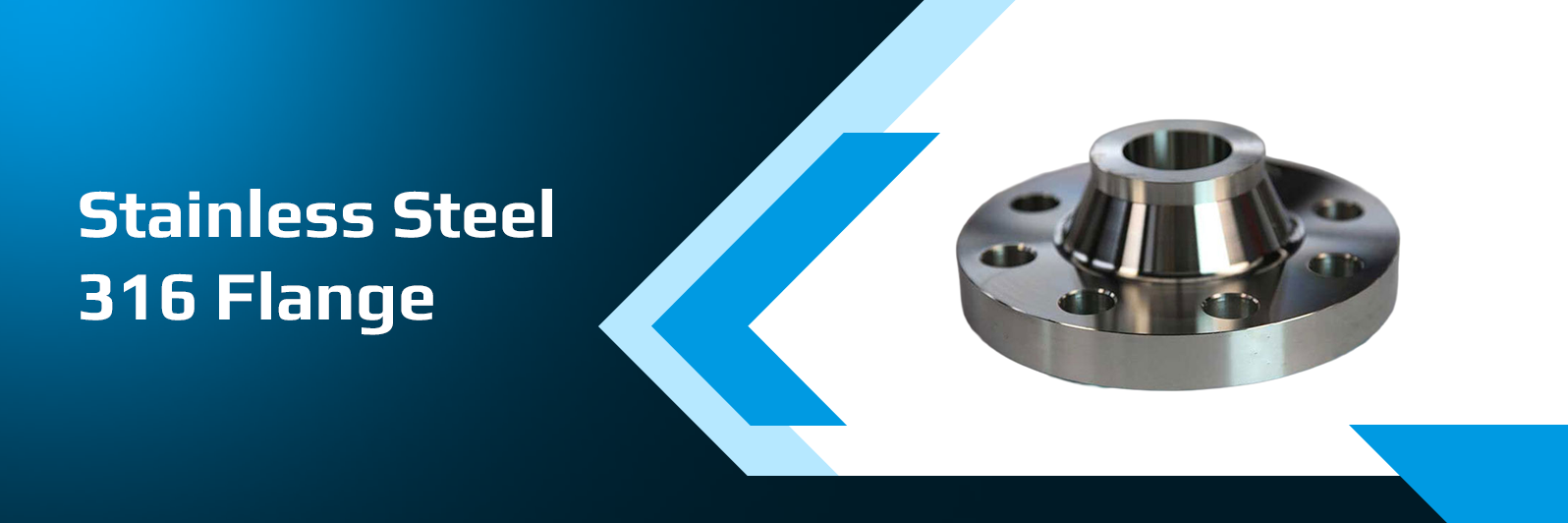
The chemical composition of Stainless Steel 316 flanges is unique as it contains 16-18% of chromium, 10-14% of nickel, and a very important addition of 2-3 percent of molybdenum. Copper and silica as well as phosphorus are also present in small quantities in this composition. The greater level of chromium is what gives it exceptional resistance to corrosion in a wide range of environments. Moreover, this grade is preferred as it has favorable welding and forming properties into other shapes.
UNS S31600 is an austenitic stainless steel whose crystal structure provides high strength and temperature resistance. The addition of 2–3% molybdenum is what differentiates Grade 316 from Grade 304, conferring superior resistance to pitting and crevice corrosion particularly in chloride and acidic environments. Being a popular and reliable product, SS 316 flanges are manufactured under the ASTM A182 specification, which covers forged or rolled alloy and stainless steel pipe flanges for high-temperature and high-pressure service.
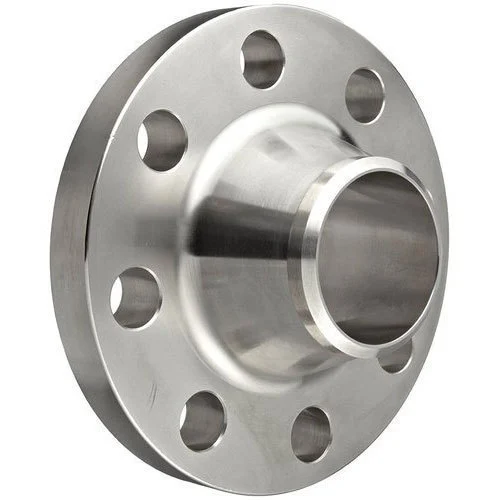
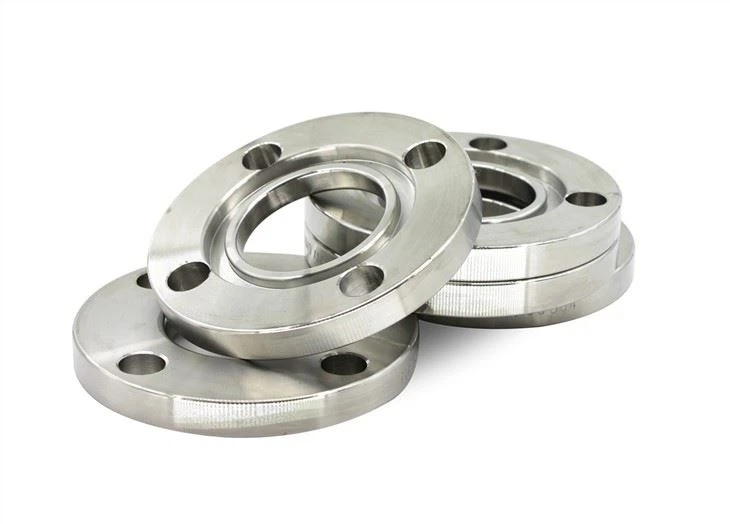
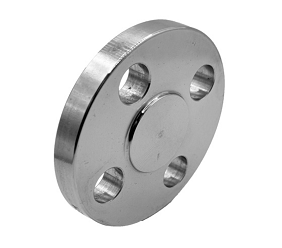
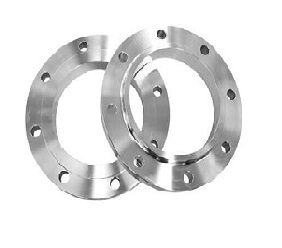
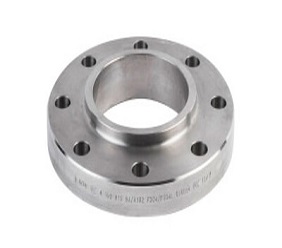
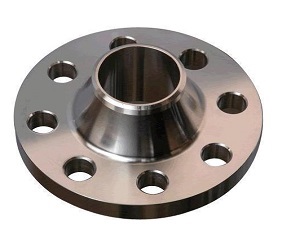
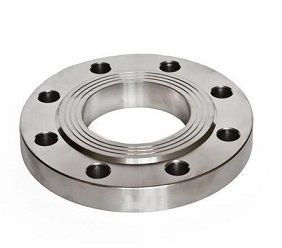
Stainless Steel flanges come in many variations and pressure classes to suit industrial needs. Standard classes range from 150 up to 2500, with classes like Class 150 ANSI SS 316 Flanges being very common. The product types include the SS 316 Slip On Flange, often used with seamless pipes where the ability to adjust the pipe position before welding is beneficial. Other essential types are the ASME SA182 SS 316 Weld Neck Flange for high-pressure systems, the ANSI B16.5 SS 316 Blind Flange used to seal off a pipe end, and the Stainless Steel 316 RTJ Flange which uses a special joint design for enhanced sealing. The industry standard, ANSI B16.5, defines the dimensions for flanges from 1/2 inch to 24 inches, with large-bore sizes from 26" to 60" covered under ASME B16.47. Choosing the correct flange type, such as the SS 316 Socket Weld Flange, is critical for meeting the specific requirements of any piping system. Solitaire Overseas supplies ASTM A182 F316 flanges to oil & gas, pharmaceutical, marine, and chemical processing industries across 60+ countries.
Request SS 316 Flanges Quote !As a leading manufacturer and supplier of SS 316 Flanges, Solitaire Overseas specializes in providing products across various standards and scales, including the A182 F316 Slip On Flange, the ASME SA182 SS 316 Weld Neck Flange, the ASTM A182 F316 BLRF (Blind Raised Face) Flange, and forged or plate flanges engineered to fulfil distinct and critical functions within industrial piping systems.
With over 25 years in business, Solitaire Overseas maintains ready stock of SS 316 flanges in Class 150 through 2500 for fast dispatch worldwide. All flanges are manufactured under ISO 9001:2015 quality management and tested to EN 10204 3.1 / 3.2 MTC standards. Available as forged (ASTM A182 F316) and plate flanges (ASTM A240 Gr. 316) specify requirement at time of order. Grade F316 material can be readily hot-forged at 1000–1200°C, enabling precise flange geometries across all pressure classes.
For more information and pricing on Stainless Steel 316 Flanges, please contact us directly.
Check price of Stainless Steel 304, Stainless Steel 316 & Stainless Steel 904L Flanges
The table below outlines the key technical specifications for 316 stainless steel flanges.
| Category | Specification Details |
|---|---|
| Size | 1/8" NB – 24" NB (ASME B16.5) | 26" NB – 60" NB available under ASME B16.47 Series A & B |
| Standard | ASME B16.5 / ASME B16.47 |
| Pressure Rating | Class 150 – 2500 |
| PN Range | PN6 – PN64 |
| Face Type | FF / RF / RTJ |
| Process | Forging / Casting |
| MTC Certificate | EN 10204 3.1 & 3.2 |
| Flange Finish | Smooth / Serrated |
| Types | Blind, Weld Neck, Slip-on, Socket Weld, Orifice, Threaded and Lap Joint |
The distinct corrosion resistance of 316 stainless steel flanges is defined by the following chemical composition, particularly the inclusion of Molybdenum.
| Grade | C | Mn | Si | P | S | Cr | Mo | Ni | Fe |
|---|---|---|---|---|---|---|---|---|---|
| 316 | 0.08 max | 2.0 max | 1.0 max | 0.045 max | 0.030 max | 16.00 – 18.00 | 2.00 – 3.00 | 11.00 – 14.00 | 67.845 min |
Here are the standard mechanical properties for SS 316 flange material, which determine its strength and performance under stress.
| Density | Melting Point | Tensile Strength | Yield Strength (0.2% Offset) | Elongation |
|---|---|---|---|---|
| 8.0 g/cm³ | 1400°C (2550°F) | 75,000 PSI / 515 MPa | 30,000 PSI / 205 MPa | 35% |
The table below details the physical properties, such as thermal and electrical characteristics, of ASTM A182 316 material (DIN 1.4401).
| Grade | Density (kg/m³) | Elastic Modulus (GPa) | Mean Co-eff of Thermal Expansion (µm/m/°C) | Thermal Conductivity (W/m·K) | Specific Heat 0–100°C (J/kg·K) | Electrical Resistivity (nΩ·m) |
|---|---|---|---|---|---|---|
| 316 | 8000 | 193 | 15.9 (0–100°C)16.2 (0–315°C)17.5 (0–538°C) | 16.3 (at 100°C)21.5 (at 500°C) | 500 | 740 |
This table lists the common equivalent international grades for the UNS S31600 designation.
| Standard | Werkstoff Nr. | UNS | JIS | BS | GOST | AFNOR | EN |
|---|---|---|---|---|---|---|---|
| 316 | 1.4401 / 1.4436 | S31600 | SUS 316 | 316S31 / 316S33 | – | Z7CND17-11-02 | X5CrNiMo17-12-2 / X3CrNiMo17-13-3 |
The following chart provides detailed dimensional data for all SS 316 flange types per ASME SA182 / ANSI B16.5 (NPS 1/2" – 24").
| NPS | OD of Flange | Thickness | Raised Face Dia. | Hub Dia. at Base | Length Thru Hub (WN) | Length Thru Hub (SO/T/SK) | Length Thru Hub (LJ) | Bore (SO/SK) | Bore (LJ) | Hub Dia. at Bevel | Fillet Radius | Socket Depth |
|---|---|---|---|---|---|---|---|---|---|---|---|---|
| 1/2 | 3-1/2 | 7/16 | 1-3/8 | 1-3/16 | 1-7/8 | 5/8 | 5/8 | .88 | .90 | .84 | 1/8 | 3/8 |
| 3/4 | 3-7/8 | 1/2 | 1-11/16 | 1-1/2 | 2-1/16 | 5/8 | 5/8 | 1.09 | 1.11 | 1.05 | 1/8 | 7/16 |
| 1 | 4-1/4 | 9/16 | 2 | 1-15/16 | 2-3/16 | 11/16 | 11/16 | 1.36 | 1.38 | 1.32 | 1/8 | 1/2 |
| 1-1/4 | 4-5/8 | 5/8 | 2-1/2 | 2-5/16 | 2-1/4 | 13/16 | 13/16 | 1.70 | 1.72 | 1.66 | 3/16 | 9/16 |
| 1-1/2 | 5 | 11/16 | 2-7/8 | 2-9/16 | 2-7/16 | 7/8 | 7/8 | 1.95 | 1.97 | 1.90 | 1/4 | 5/8 |
| 2 | 6 | 3/4 | 3-5/8 | 3-1/16 | 2-1/2 | 1 | 1 | 2.44 | 2.46 | 2.38 | 5/16 | 11/16 |
| 2-1/2 | 7 | 7/8 | 4-1/8 | 3-9/16 | 2-3/4 | 1-1/8 | 1-1/8 | 2.94 | 2.97 | 2.88 | 5/16 | 3/4 |
| 3 | 7-1/2 | 15/16 | 5 | 4-1/4 | 2-3/4 | 1-3/16 | 1-3/16 | 3.57 | 3.60 | 3.50 | 3/8 | 13/16 |
| 3-1/2 | 8-1/2 | 15/16 | 5-1/2 | 4-13/16 | 2-13/16 | 1-1/4 | 1-1/4 | 4.07 | 4.10 | 4.00 | 3/8 | 7/8 |
| 4 | 9 | 15/16 | 6-3/16 | 5-5/16 | 3 | 1-5/16 | 1-5/16 | 4.57 | 4.60 | 4.50 | 7/16 | 15/16 |
| 5 | 10 | 15/16 | 7.5/16 | 6-7/16 | 3-1/2 | 1-7/16 | 1-7/16 | 5.66 | 5.69 | 5.56 | 7/16 | 15/16 |
| 6 | 11 | 1 | 8-1/2 | 7-9/16 | 3-1/2 | 1-9/16 | 1-9/16 | 6.72 | 6.75 | 6.63 | 1/2 | 1-1/16 |
| 8 | 13-1/2 | 1-1/8 | 10-5/8 | 9-11/16 | 4 | 1-3/4 | 1-3/4 | 8.72 | 8.75 | 8.63 | 1/2 | 1-1/4 |
| 10 | 16 | 1-3/16 | 12-3/4 | 12 | 4 | 1-15/16 | 1-15/16 | 10.88 | 10.92 | 10.75 | 1/2 | 1-5/16 |
| 12 | 19 | 1-1/4 | 15 | 14-3/8 | 4-1/2 | 2-3/16 | 2-3/16 | 12.88 | 12.92 | 12.75 | 1/2 | 1-9/16 |
| 14 | 21 | 1-3/8 | 16-1/4 | 15-3/4 | 5 | 2-1/4 | 3-1/8 | 14.14 | 14.18 | 14.00 | 1/2 | 1-5/8 |
| 16 | 23-1/2 | 1-7/16 | 18-1/2 | 18 | 5 | 2-1/2 | 3-7/16 | 16.16 | 16.19 | 16.00 | 1/2 | 1-3/4 |
| 18 | 25 | 1-9/16 | 21 | 19-7/8 | 5-1/2 | 2-11/16 | 3-13/16 | 18.18 | 18.20 | 18.00 | 1/2 | 1-15/16 |
| 20 | 27-1/2 | 1-11/16 | 23 | 22 | 5-11/16 | 2-7/8 | 4-1/16 | 20.20 | 20.25 | 20.00 | 1/2 | 2-1/8 |
| 24 | 32 | 1-7/8 | 27-1/4 | 26-1/8 | 6 | 3-1/4 | 4-3/8 | 24.25 | 24.25 | 24.00 | 1/2 | 2-1/2 |
The tables below detail bolt-circle and drilling dimensions for SS 316 flanges across AS4087, AS 2129, ANSI B16.5 and ISO 7005 (DIN) standards.
| Standard | Class | Flange OD (mm) | Bolt Circle Dia. (mm) | No. of Bolts | Bolt Size (mm) | Bolt Hole Dia. (mm) |
|---|---|---|---|---|---|---|
| AS4087 | PN14 | 95 | 67 | 4 | M12 | 14 |
| AS 2129 Flange | Table C | 95 | 67 | 4 | 13 | 14 |
| Table D | 95 | 67 | 4 | 13 | 14 | |
| Table E | 95 | 67 | 4 | 13 | 14 | |
| Table F | 95 | 67 | 4 | 13 | 14 | |
| Table H | 114 | 83 | 4 | 16 | 17 | |
| Table J | 114 | 83 | 4 | 16 | 17 | |
| ANSI B16.5 | ANSI 150 | 89 | 60 | 4 | 13 | 16 |
| ANSI 300 | 95 | 67 | 4 | 13 | 16 | |
| ANSI 600 | 95 | 67 | 4 | 13 | 16 | |
| ANSI 900 | 121 | 83 | 4 | 19 | 22 | |
| ANSI 1500 | 121 | 83 | 4 | 19 | 22 | |
| ISO 7005 (DIN) Flange | PN6 | 80 | 55 | 4 | M10 | 11 |
| PN10 | 95 | 65 | 4 | M12 | 14 | |
| PN16 | 95 | 65 | 4 | M12 | 14 | |
| PN20 | 90 | 60.5 | 4 | M14 | 16 | |
| PN25 | 95 | 65 | 4 | M12 | 14 | |
| PN40 | 95 | 65 | 4 | M12 | 14 |
The table below lists approximate flange weights (kg) for ASTM A182 F316 Weld Neck Raised Face (WNRF) flanges per ASME B16.5. Weights vary by flange type; contact us for slip-on, blind, and socket weld weights.
| NPS | OD (mm) | Class 150 (kg) | Class 300 (kg) | Class 600 (kg) | Class 900 (kg) | Type |
|---|---|---|---|---|---|---|
| 1/2 | 21.3 | 0.45 | 0.55 | 0.70 | 0.80 | WNRF |
| 3/4 | 26.7 | 0.55 | 0.70 | 0.80 | 1.10 | WNRF |
| 1 | 33.4 | 0.90 | 1.10 | 1.35 | 1.60 | WNRF |
| 1-1/4 | 42.2 | 1.20 | 1.45 | 1.80 | 2.30 | WNRF |
| 1-1/2 | 48.3 | 1.50 | 1.85 | 2.20 | 2.90 | WNRF |
| 2 | 60.3 | 2.27 | 2.95 | 4.08 | 5.44 | WNRF |
| 2-1/2 | 73.0 | 3.40 | 4.50 | 5.90 | 7.70 | WNRF |
| 3 | 88.9 | 4.80 | 6.35 | 8.60 | 11.8 | WNRF |
| 4 | 114.3 | 6.80 | 9.52 | 13.6 | 18.1 | WNRF |
| 5 | 141.3 | 9.50 | 13.6 | 19.5 | 26.8 | WNRF |
| 6 | 168.3 | 14.5 | 21.8 | 31.3 | 43.5 | WNRF |
| 8 | 219.1 | 24.9 | 37.6 | 55.3 | 79.4 | WNRF |
| 10 | 273.0 | 42.6 | 64.0 | 93.0 | 135 | WNRF |
| 12 | 323.8 | 65.8 | 98.9 | 143 | 211 | WNRF |
| 14 | 355.6 | 85.3 | 128 | 196 | 290 | WNRF |
| 16 | 406.4 | 115 | 172 | 263 | 390 | WNRF |
| 18 | 457.2 | 153 | 230 | 352 | 525 | WNRF |
| 20 | 508.0 | 196 | 295 | 452 | 675 | WNRF |
| 24 | 609.6 | 308 | 463 | 710 | 1060 | WNRF |
SS 316 RTJ flanges and other types come with several surface finishes, which include:
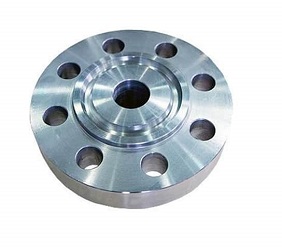
The 316 stainless steel flange is available in several configurations, each suited for a specific piping connection and pressure requirement:
| Product | Material | HSN Code |
|---|---|---|
| Stainless Steel Flanges | Stainless Steel | 73072100 |
The HSN code 73072100 is used for customs classification of stainless steel flanges for export documentation, GST invoicing, and import duty calculation in India and international trade.
316 Stainless Steel Flanges are utilised in highly demanding industrial environments where superior corrosion resistance and strength are critical. Key application sectors include:
Need ASTM A182 F316 flanges for your project? Request a quote within 60 minutes — call +91-9619103479 or email vishal@solitaire-overseas.com
To guarantee robust mechanical properties and ensure compliance with industrial demands, SS 316 lap joint flanges and all other types undergo rigorous testing. These quality assurance checks confirm the flange will perform reliably across all application environments.
The tests performed include:
For a comprehensive quality policy, please refer to the Quality Policy page on our website.
| SIZE | Saudi Riyal | USD |
|---|---|---|
| 1/2″ #150 WNRF flange | 30.17 SAR | $7.92 |
| 1/2″ #300 weld neck flange | 45.71 SAR | $12.00 |
| 1/2″ #600 weld neck flange | 59.43 SAR | $15.60 |
Please note: This is a partial price list. Check the latest price list of stainless steel 316 flange by contacting us directly for the most current and complete pricing information.
Request SS 316 Flanges Quote !Yes. The SS 316 blind flange exhibits excellent corrosion resistance in a wide range of environments. It is generally a better choice than Grade 304 in warm or chloride-rich environments because it resists both crevice corrosion and pitting, owing to its molybdenum content.
SS Grade F316 socket weld flanges per ASME B16.5 are available from 1/2" to 2" NPS. Slip-on, weld neck, blind, and lap-joint flanges under B16.5 range from 1/2" to 24" NPS. Large-bore sizes from 26" to 60" are covered under ASME B16.47 Series A and B. Contact us to confirm available stock for your required size.
The choice depends on the application — neither is universally superior. SS 316 is the preferred option in highly corrosive environments involving chlorides (marine, chemical processing, desalination) because molybdenum significantly increases resistance to pitting and crevice corrosion. SS 304 is the more economical choice for general-purpose applications where aggressive chemicals or salt exposure are not present. Choose 304 for cost-effectiveness in standard environments; choose 316 wherever maximum corrosion resistance is required.
SS 316 flanges can be used in continuous oxidising service up to 925°C (1700°F) and up to 870°C (1600°F) for intermittent service. For sustained high-temperature service above 425°C, Grade 316H (higher carbon variant) is recommended to avoid sensitisation. Grade 316L is preferred below 425°C where post-weld corrosion resistance is critical.
316L is the low-carbon variant of Grade 316, with a maximum carbon content of 0.03% versus 0.08% in standard 316. The reduced carbon minimises carbide precipitation at grain boundaries during welding, preventing intergranular corrosion at weld heat-affected zones. Both grades are frequently dual-certified and share identical mechanical properties in most forms. Specify 316L for welded fabrications or any application where post-weld heat treatment is not possible.
The primary end users of SS 316 flanges are the chemical processing, oil & gas, marine and offshore, pharmaceutical, food & dairy, and water treatment industries — essentially any application where chloride resistance, hygiene, or elevated temperature service are required. The addition of molybdenum makes Grade 316 the standard material specification wherever Grade 304 is considered insufficient.
 India
India Iran
Iran Thailand
 South Korea
 Turkey
 Morocco
 Costa Rica
 Kazakhstan
 Philippines
 Canada
 Japan
Japan Russia
 United States
 Saudi Arabia
 Kuwait
 Singapore
 Malaysia
 UAE
UAE Germany
 Italy
Italy China
China UK
UK Egypt
Egypt Vietnam
 Oman
Oman Australia
 Qatar
Qatar Portugal
 Nigeria
 Iraq
Iraq Ukraine
 Bangladesh
 Poland
 Romania
 Cyprus
 Angola
 Colombia
 Norway
 Chile
Chile Mexico
 South Africa
 Netherlands
 Brazil
 France
 Jordan
 Spain
Spain Hong Kong
 Indonesia
 Taiwan
 Tobago
 Greece
 Czechia
 Belgium
 Sri Lanka
 Myanmar
 Venezuela