Solitaire Overseas specializes in heat exchanger tubes, which are used to cool, heat, or reheat fluids, gas, and air. We provide a wide range of thin-wall heat exchanger tubing to meet the specific needs of companies producing shell and tube heat exchangers.
A heat exchanger is a heat transfer device between a solid body and a fluid, or from two or more fluids. Such materials are segregated by a wall such that they are not combined, though they may be in direct contact. Heat exchangers play an important role in the functioning of multiple systems and procedures. The heat exchanger is for example found in the hot water boiler, the freezer. Energy is transmitted to the boiler in the former situations and energy is transferred away in the latter, so that the freezer stays cool.
There are several different types of heat exchangers. The heat exchangers with double pipes are very basic in structure and are used in the industry. The repairs and design are cheaper. They are, on the contrary, low in efficiency and occupy a large space. Modern factories then use more effective heat exchangers called the shell and tube or plate.
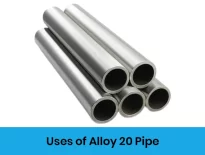
There are several tubes in the heat exchanger. They are available in a wide variety of materials, including Stainless Steel Heat Exchanger Tubes, duplex stainless steel, nickel alloys, zirconium, and titanium, suitable for all types of heat exchangers such as heaters, evaporators, condensers, seawater coolers, and re-heaters.
The heat exchanger tubes are finned, plain, internal or external. Normal heat exchangers use plain tubes, while the finned tubes provide a high heat transfer surface. Another type of tube is the duplex tube, which is mounted inside the tube by drawing the tube out into the inner tube.
The tubes diameter varies from 6 mm to 40 mm. The thickness depends on the construction materials and their diameters. The length of the tube varies from 0.5 to 6 m. They lay either on a square or on an equilateral triangular pitch.
If the heat exchanger tube breaks, it can be replaced by expanding and rotating the tool to the ends of the tube in the tube sheet holes.
Types of Heat Exchanger Tubes & Characteristics
The type of heat exchanger tube is chosen based on the heat transfer rate and required heat load. The size and temperature demands determine the tube size. Tubes can be made in U-bent shapes or straight lengths, depending on needs. Interestingly, the basic design of heat exchangers stays consistent, regardless of size or complexity.
Heat exchangers are categorized by their design features, which influence their efficiency. These characteristics help determine the right application and include factors like heat transfer capability and material durability.
Classification Based on Flow Configuration
- Parallel Flow: Fluids move in the same direction.
- Counter Flow: Fluids move in opposite directions, making it more efficient than parallel flow.
- Cross Flow: Fluids move perpendicular to each other.
- Hybrid Flow: Allows multiple flow passes within the exchanger.
The flow rate is crucial as higher flow rates increase heat transfer but also raise velocity, reducing pressure, and making energy removal more challenging.
Classification Based on Heat Transfer Mechanism
- Single-phase Convection: Fluids remain in the same state throughout.
- Two-phase Convection: Fluids change state (e.g., from liquid to gas) during the process.
Types include:
- Single-phase convection on both sides
- Single-phase on one side & two-phase on the other
- Two-phase convection on both sides
- Combined convection and radiative heat transfer
Classification Based on Construction Method
- Capacitive Heat Exchangers: Warm and cool fluids alternate through the same channel. These can be static (components don’t move) or dynamic (components move during the process).
- Recuperative Heat Exchangers: Fluids flow through separate channels simultaneously.
- Direct contact: Fluids mix directly.
- Indirect contact: Fluids are separated by the tube walls
Common components include tubes, shells, plates, and fins. When choosing a heat exchanger, factors like the type of liquid in primary and secondary circuits, flow rates, and temperature must be considered.
Applications of Heat Exchangers
The heat exchangers are important gadgets employed in most industries to control heat effectively. They play an essential role in the safety of plants, their success in operations, and product quality.
Power Plants: Major equipment such as turbines are cooled by heat exchangers that are used in steam generators. They enhance efficiency and reduce energy expenses through reclaimed waste heat.
Chemical Plants: They regulate the temperatures in the exact chemical reactions in the equipment such as reactors and evaporators. This guarantees the quality of products and gives an opportunity to operate highly efficiently.
Refineries: They handle high-pressure systems energy and are essential in the heating and cooling of fluids during the distillation process. They should be constructed in a manner that they can withstand high temperatures.
Production of Steel and Fertiliser: Heat exchangers are used in large quantities of heat to cool molten steel and recover waste heat, and are used over extended periods of time and under severe conditions.
Shipbuilding: They are necessary in the systems of a ship, in regulation of engine temperatures, cooling lubricants, and HVAC operation. Their reliability is also determined by their endurance in the sea and efficiency in fuel consumption.
Food & Beverage: They give the required temperatures of various processes such as pasteurization and sterilization. Durable tubes are used to provide hygienic operations, as well as product safety and quality.
HVAC Systems: Commercial buildings cool fluids and air using heat exchangers to effectively control indoor temperatures to reduce costs of climate control.
How to Choose the Right Heat Exchanger
Selecting the correct heat exchanger tube is vital for ensuring optimal performance and cost efficiency. The use of an appropriate heat exchanger tube is a crucial step in making sure that it will perform optimally and be economical. The option is based on the need of the application, the thermal efficiency that one wants, and cost. These are the most important aspects to consider when determining which type is the most appropriate:
- Understand Your Application :Analyse your unique operations requirements. As an example, single tube designs are applicable in low heat load situations, and 1 shell 2 pass exchangers are applicable in larger scale situations where more passes are necessary to increase the heat transfer. Identify whether it involves heating and/or cooling.
- Assess Flow Design: Flow design has a big effect on efficiency. A single-pass heat exchanger is characterized by easy flow and simple maintenance whereas a two-pass heat exchanger provides more fluid contact to the heat transfer surface making it more effective but more space is required.
- Material and Durability: The tube material is a direct influence on the performance and durability. Materials that are resistant to corrosion such as titanium or stainless steel should be used in cases of aggressive fluids or high temperatures.
- Energy Efficiency and Maintenance: Focus on designs that are energy efficient to reduce the operation costs. In addition, choose a model that matches your maintenance capacity in order to guarantee long-term reliability.
- Custom Design Requirements: Ready to work with manufacturers to design to fit special operational needs, including limited spaces or extremely specific temperature limits.
- Operating Pressure and Temperature: It is important to make sure that the heat exchanger tube is capable of operating under the maximum operating pressure and temperature conditions of your application to avoid possible failures.
- Application Industry-specific: Have industry-specific suggestions–such as food-grade materials in the food industry, or heavy-duty designs in petrochemical plants.
- Scalability and Future Needs: Future operational needs. A heat exchanger with a capacity that can be expanded could be a cheaper option as your business expands.
- Certifications and Standards: Confirm that the product is in accordance with industry standards, e.g. ASME or TEMA, to guarantee the quality and safety of critical applications
Conclusion
Heat exchanger tubes are essential for efficient heat transfer across various industries, offering durability, versatility, and reliability in heating, cooling, and energy management applications.
Looking for high-quality heat exchanger tubes? Contact Solitaire Overseas today to find the perfect solution for your industrial needs. Our team of experts is ready to assist you with premium products tailored to your requirements. Get in touch now to discuss your project and request a quote!
Frequently Asked Questions about Heat Exchanger Tubes
Q. What is the use of a heat exchanger tube?
Heat exchanger tubes are used to transfer heat between two fluids while keeping them separate. The tube walls facilitate heat exchange, and the overall efficiency depends on the specific configuration of the heat exchanger system.
Q. What are the different types of heat exchanger tubes?
The three main types of shell and tube heat exchanger tubes are fixed tube, U-tube, and floating head, each designed for specific thermal expansion and maintenance needs.
Q. Which pipe is used for heat exchangers?
Heat exchangers typically use pipes made from stainless steel, carbon steel, or copper alloys. Double pipe heat exchangers are simpler, while shell-and-tube designs offer greater flexibility.
Q. What factors affect the performance of a heat exchanger tube?
Performance is influenced by the material used, the flow configuration (e.g., single-pass vs. two-pass), and the fluid properties. Key factors also include the temperature difference between the two mediums, the fluid velocity, and the pressure. Additionally, the tube’s design, such as its surface area and the number of passes, impacts heat transfer efficiency.
Q. How can I extend the lifespan of my heat exchanger tubes?
Regular maintenance is essential. This includes cleaning the tubes to prevent fouling, inspecting for corrosion or mechanical wear, and ensuring proper fluid filtration. Using appropriate corrosion-resistant materials and maintaining optimal operating conditions will also significantly prolong the tube’s service life.
Q. Can heat exchanger tubes be used for both heating and cooling?
Yes, they are highly versatile. Heat exchanger tubes facilitate the transfer of thermal energy between two fluids, whether the goal is to cool a hot fluid or heat a cold one. The specific configuration and material choice will be determined by the unique requirements of the application.
Q. How do I determine the right heat exchanger tube size for my system?
To determine the correct size, you must consider the desired heat transfer rate, fluid flow rates, temperature gradients, and the available space for installation. Consulting with a manufacturer or an experienced engineer is highly recommended to optimize the size and configuration for your specific system needs.