Alloy 20 is a super stainless steel, which is specifically designed to offer the highest level of resistance to intense acid assault and highly corrosive conditions. This is a nickel-iron-chromium alloy with a special composition that is highly molybdenum and copper content endowing it with outstanding resistance to general corrosion, pitting, and chloride-induced stress corrosion cracking. The alloy is stabilized with columbium to avoid the formation of harmful carbide during the welding process to make it durable during manufacturing. Although originally designed to be used in sulfuric acid services, Alloy 20 Pipe has become a well-used resource in the larger chemical processing sector, and in manufacturing of pharmaceuticals, food, petrochemicals and power generation since it has high mechanical properties and excellent corrosion control.
What is Alloy 20 Pipe?
Alloy 20 is also called Carpenter 20 or Incoloy(r) 20 is a high-alloy austenitic stainless steel, which is specially designed to have excellent corrosion resistance in harsh environments. It is a nickel-iron-chromium alloy that is engineered to resist localized types of corrosion, including pitting and chloride ion corrosion (which is caused by exposure to such substances as salt and hydrochloric acid). It is very resistant to aggressive chemicals such as sulfuric, phosphoric, and nitric acids, which are also in its composition.
The construction of the alloy has a low carbon content, which gives the alloy excellent resistance against intergranular corrosion and stress corrosion cracking (SCC). Moreover, it has a high level of chromium (minimum 12) hence easy welding and a high level of nickel provides good thermo-stability and retains good mechanical properties within a broad temperature range, which makes it applicable in both cryogenic and high temperature applications. This is an advantage and strength, which has contributed to its high demand in stressful industries such as the petrochemicals industry.
Key Benefits of Alloy 20 Pipe
Alloy 20 presents a series of performance benefits that have rendered it a flexible and applicable material in corrosive conditions:
Outstanding Corrosion Resistance: The alloy is composed of an element composition that includes chromium, nickel, and molybdenum giving it exceptional protection against both general and specific corrosion such as pitting and crevice corrosion.
Superior weldability: This is because the low carbon content is essential as it does not form any harmful carbides during the welding, which enhances high resistance to post-weld cracking.
Good Formability: The alloy 20 can easily be shaped into different shapes without fracturing and it can be easily welded and machined, thus increasing its use in various applications.
Immunizes Stress Corrosion Cracking (SCC): With the ability to withstand this harmful type of corrosion-capable of taking place in chloride or other chemical environments-Alloy 20 helps eliminate the possibility of pipe failure, leakage and expensive disruptions.
Cost-Effective Solution: Alloy 20 has been shown to be less expensive than other higher nickel-based alloys, despite its superior performance, which is a cost-effective alternative that still does not compromise a critical corrosion resistance.
Alloy 20 Pipe Applications and Uses
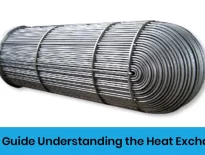
Alloy 20 Pipe is applied in many industries that are so vital and corrosion is a constant risk. The usual industries are chemical manufacturing, petrochemical and refining, food processing, pharmaceutical, maritime and power generation. End-use applications are varied and include chemical processing vessels, heat exchangers, SO 2 scrubbers, storage facilities, mixing tanks, agitators, pumps, and piping systems. The typical maximum temperature used is that of the ASME, which has a maximum of $1000 0 F but the context in which the machine is operated should be evaluated in regards to corrosion.
Maintenance of Alloy 20 Pipe
Alloy 20 pipe requires regular maintenance even though it has a high resistance to ensure that it can last long. Routine cleaning, inspection and leak detection are also considered to be the key tasks. These are the easy steps one can perform to maintain the pipes in its best condition so that it becomes reliable in the long run.
Conclusion
Overall, Alloy 20 is a most versatile and resistant to corrosion type of solution; it contains a special combination of iron, chromium, nickel, copper, molybdenum and niobium. Its tensile and yield strength is high and thus it can be used in a huge variety of challenging applications in corrosive industrial settings..