+91-9619103479
or
vishal@solitaire-overseas.com
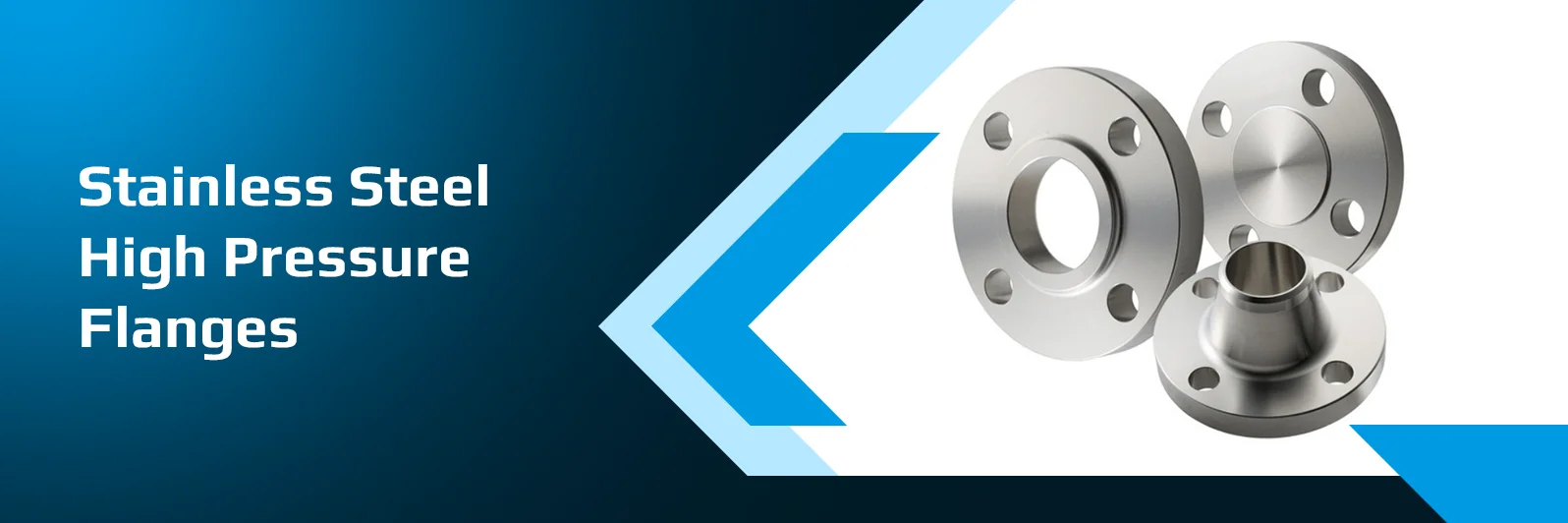
Class 300 is not a pressure. It is a rating that only means something once you say how hot the line runs. A Class 300 stainless flange holds a very different pressure at 400 degrees C than it does at ambient, because the pressure-temperature rating tables derate as temperature climbs, and a flange chosen on class alone can be undersized for the actual duty. Solitaire Overseas supplies stainless steel high pressure flanges from India, Class 150 through 2500, to ASME B16.5 and B16.47. Below: how the class system works, where RTJ facing takes over, and the large-bore standards.
Part of our stainless steel flanges range. For the temperature side of the question, see high temperature flanges.
The class number is an index into a pressure-temperature rating table, not a pressure in itself. The same Class 300 flange is rated for one pressure cold and a lower one hot, and the derating is set by the material group as well as the class.
| Class | Where It Is Used |
|---|---|
| Class 150 | General low pressure service. The most common class |
| Class 300 | The workhorse for moderate pressure process piping |
| Class 600 | Higher pressure process and steam service |
| Class 900 | High pressure. RTJ facing becomes usual around here |
| Class 1500 | High pressure hydrocarbon and steam service |
| Class 2500 | The highest standard class. Heavy, expensive, and specified only where the duty demands it |
The practical rule. Select the class from the pressure-temperature rating table for the specific material group at the design temperature, not from the design pressure alone. The temperature side of that calculation is covered on our high temperature flanges (https://www.solitaire-overseas.com/stainless-steel-high-temperature-flanges.html) page.
| Standard | Size Range | Notes |
|---|---|---|
| ASME B16.5 | NPS 1/2 inch to 24 inch | The standard most flanges fall under. Classes 150 to 2500 |
| ASME B16.47 Series A | NPS 26 inch to 60 inch | Large diameter. Heavier and larger than Series B for the same size and class |
| ASME B16.47 Series B | NPS 26 inch to 60 inch | Large diameter. More compact, smaller bolts on a tighter circle |
SERIES A AND SERIES B ARE NOT INTERCHANGEABLE: They have different outside diameters, bolt circles and bolt counts for the same nominal size and class. A Series A flange will not mate with a Series B flange. On any order above 24 inch, state which series the specification requires, since this is a genuine and expensive mismatch to discover on site.
Facing type changes as class rises, because the sealing mechanism has to change:
| Facing | Typical Classes | How It Seals |
|---|---|---|
| Flat Face (FF) | 150, and low pressure | Full face gasket. Used where a raised face would overstress a mating cast component |
| Raised Face (RF) | 150 through 1500 | Gasket compressed on a raised annular area. The general default |
| Ring Type Joint (RTJ) | 900, 1500, 2500 and hot high pressure | Metal ring seated in a machined groove. Metal-to-metal seal, higher integrity |
Why RTJ takes over at the top. A compressed gasket relies on bolt load holding it in place, and as pressure rises the load required grows faster than the joint can comfortably deliver. An RTJ seals metal to metal, with the ring deforming into the groove, which holds better at high pressure and high temperature. The trade is cost, machining precision and a joint that needs more care on assembly.
High pressure duty does not by itself dictate the grade, the service does. Common choices:
| Grade | Why It Is Chosen at High Pressure |
|---|---|
| 304 / 304L | General high pressure service without severe corrosion |
| 316 / 316L | High pressure with chloride or chemical exposure |
| Duplex and super duplex | High strength allows thinner sections, and resists chlorides. Common offshore |
| 904L and 6-moly | Where the medium is aggressive as well as the pressure high |
| Item | Detail |
|---|---|
| Material standard | ASTM A182 forged flanges |
| Dimensional standards | ASME B16.5 (1/2 to 24 inch), ASME B16.47 Series A and B (26 to 60 inch) |
| Classes | 150, 300, 600, 900, 1500, 2500 |
| Facings | FF, RF, RTJ |
| Types | Weld neck predominantly at high class. Blind, socket weld and others as required |
| Certification | EN 10204 3.1 or 3.2. PMI, hardness and NDE on request |
Flange types are covered separately: weld neck, slip-on, blind, socket weld, threaded and lap joint pages, all linked from the stainless steel flanges hub (https://www.solitaire-overseas.com/stainless-steel-flanges.html).
It is a pressure-temperature rating designation, not a pressure. The allowable pressure for a Class 300 flange depends on the material group and the design temperature, and it falls as temperature rises. Always select the class from the rating table at the design temperature rather than from the design pressure alone.
Size range. B16.5 covers flanges from NPS 1/2 inch to 24 inch. B16.47 covers large diameter flanges from NPS 26 inch to 60 inch, in two series. Series A and Series B have different outside diameters, bolt circles and bolt counts for the same nominal size and class, so they are not interchangeable and the series must be stated on any large bore order.
Generally at Class 900 and above, and in high temperature high pressure service. A raised face joint relies on a compressed gasket held by bolt load, which becomes harder to maintain as pressure rises. An RTJ seals metal to metal with a ring deforming into a machined groove, giving higher joint integrity at the cost of machining precision and more careful assembly.
Pressure alone does not decide it, the service does. 304 and 316 cover most general and chloride-exposed duty. Duplex and super duplex are chosen where high strength allows thinner sections and chloride resistance is needed, which is why they are common offshore. 904L and 6-moly are for aggressive media rather than for pressure as such.
Send your size, class, facing, grade, flange type and the design pressure and temperature. Above 24 inch, state whether the specification calls for B16.47 Series A or Series B.